Peppol in the Netherlands: Current Rules for Businesses
Peppol in the Netherlands is no longer just a plan for the future. The electronic invoicing standard is already in effect and mandatory in specific situations. If you run a business and work with public institutions, e-invoicing via Peppol already applies to you.
If you haven’t come across it yet, now is the right time to understand how it works — and why it’s smart to prepare early.
What is Peppol and How Is It Different from a PDF Invoice?
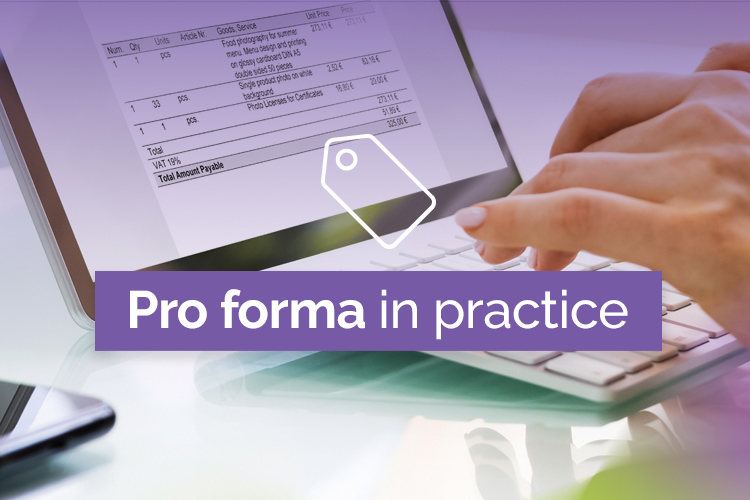
Peppol is a European standard for structured electronic document exchange, including invoices. Unlike a PDF sent by email, a Peppol invoice uses the UBL format, which accounting systems can process automatically.
In practice, this means:
- Invoice data goes straight into the recipient’s accounting software — no need to open or manually retype the document,
- Common errors like typos in the invoice number, amount, or VAT ID are reduced,
- The invoice is technically validated before being sent. If something’s missing or incorrect, the document won’t go through,
- Invoices won’t get lost in inboxes or spam folders,
- The accounting process is faster — the invoice is ready for processing immediately.
In short: PDFs are made for humans to read; Peppol invoices are made for software to read — making business administration faster, cleaner, and more reliable.
Peppol in Netherlands: Obligations in B2G Transactions
In the Netherlands, Peppol is mandatory in B2G (business-to-government) transactions. It applies to any company invoicing public sector clients, including:
- Municipalities and provinces,
- Ministries and government agencies,
- Public schools,
- Local authorities and related entities.
If you’re billing such clients, sending a PDF by email is not enough. Your invoice must go through the Peppol network via a certified Access Point, such as eFaktura.nl.
B2G Invoicing in Construction and Cleaning Services
If you’re contracted to renovate a school, upgrade a municipal building, or perform roadworks for a government office, the invoice must be sent through Peppol. Otherwise, the payment process will not begin.
The same applies to regular services such as cleaning public buildings or libraries. Even as a sole trader, you’re subject to the same Peppol requirements when invoicing the public sector.
Peppol helps streamline the payment process and reduces administrative errors.
To work with public sector clients, you simply need to verify your Peppol connection through eFaktura.nl. Once verified, you can send invoices in the required format. Importantly, since Peppol is not yet mandatory for all B2B transactions in the Netherlands, this setup won’t affect your other invoices — you can still send standard PDFs to private clients or businesses.
Peppol for B2B Transactions in the Netherlands
As of now, Peppol is not yet mandatory for all B2B transactions in the Netherlands, and no official start date has been announced.
However, the direction is clear. At the EU level, the goal is to make Peppol-based e-invoicing the standard across member states by 2030. The Netherlands is actively moving in this direction.
That’s why more and more companies are choosing to implement Peppol now — ahead of any legal obligation.
Why It Pays to Prepare Early
Getting ready for Peppol isn’t just about compliance. It offers real, day-to-day benefits for your business. Most importantly, it helps you get paid faster. Invoices are less likely to be rejected or delayed, as the data is complete and validated before sending.
Fewer manual errors also mean fewer corrections. The system automatically checks the structure and VAT numbers, reducing the chance of rejection on the client’s side. It also simplifies work for your accountant — documents go directly into the accounting system, without emailing or scanning paperwork.
More and more service providers in the Netherlands and Belgium already use Peppol. That means you might start receiving cost invoices (e.g. fuel cards or maintenance services) directly into your accounting system — saving you time and effort.
Peppol also gives you greater flexibility in international cooperation. If you’re working with Belgian clients, being on Peppol often makes collaboration easier and meets their formal expectations. Dutch clients are increasingly familiar with this standard too, which reduces onboarding time and avoids confusion.
Read more about the new e-invoicing standard HERE.
Your Accountant and Tools Like eFaktura.nl
Implementing Peppol is mostly an organizational task — that’s where your accountant plays a key role. They can explain the requirements and help you prepare for the change.
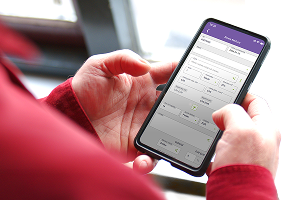
Solutions like eFaktura.nl act as Peppol Access Points and handle the technical side. You issue the invoice using a familiar form, and the system takes care of compliance in the background.
You don’t need to know UBL formatting or Peppol infrastructure. You just need to use a tool that does it right.
Peppol as Part of Modern Business Administration
Although Peppol may seem like an extra step at first, in practice it helps organize your invoicing process — especially when working with public sector clients or expanding your business.
In the Netherlands, Peppol is already standard in B2G. B2B e-invoicing is not far behind. The sooner you prepare, the smoother your transition into full digital compliance will be.
With the right tool and a proactive mindset, Peppol becomes less of a burden — and more of a natural part of running a modern business.